SEO, GEO and AEO for doctors and clinics
When a patient asks ChatGPT for a doctor in your town, is your practice named?
CiteProof asks the AI assistants the questions your patients ask, shows which doctors and clinics they name, and lists what to fix on your site.
Free · No sign-up · Results in about a minute
What is GEO for doctors?
GEO (generative engine optimisation) for doctors is the work of making a doctor or a clinic easy for AI assistants such as ChatGPT, Perplexity, Gemini and Google's AI Overviews to find, check and name when a patient asks who to see. It builds on local SEO: specialty pages, doctors' credentials and patients' reviews, written so that a machine can verify them.
How does a doctor get recommended by ChatGPT?
An AI assistant such as ChatGPT names a doctor or a clinic when it can confirm, from more than one source, who the doctor is, what they are qualified and registered to do, where they see patients and what patients say about them. These are the five things it can check.
- The same details everywhere. Doctor's name, specialty, address, phone number and opening hours identical on your website, your Google Business Profile and every health directory. A doctor listed under two spellings, or at a clinic they have left, gives an assistant a reason to name someone else.
- Reviews, recent and on more than one site. Patients' reviews on Google and on at least one health directory, with recent ones among them. If you reply, stay general and never confirm that the writer is a patient: replies are text an assistant reads too.
- Listings on the sites of your trade. A complete profile on the directories patients use where you work, such as Healthgrades, Zocdoc and WebMD's physician directory in the United States or the NHS service finder in the United Kingdom, and a matching entry in the official register: the state medical board's, or the GMC's.
- Specific answers on your own pages. One page per specialty, condition or test you handle (a skin check, a knee consultation, an MRI, a pregnancy scan) that says in plain words who it is for, how the visit goes and how to book, with the doctor named and their licence or registration stated.
- A site the assistants can read. Text that is in the page itself and not loaded later by a booking widget, structured data for the practice and each doctor, and a robots.txt that lets the assistants' search crawlers in.
Where do AI assistants look for a doctor?
Yext analysed 6.8 million citations in answers from Gemini, OpenAI and Perplexity: 44% pointed to the business's own website, 42% to listings, 8% to reviews and social media, 6% to news, forums and other sites.
Source: Yext, 9 October 2025 (Yext sells listings software). Read on 26 November 2026.
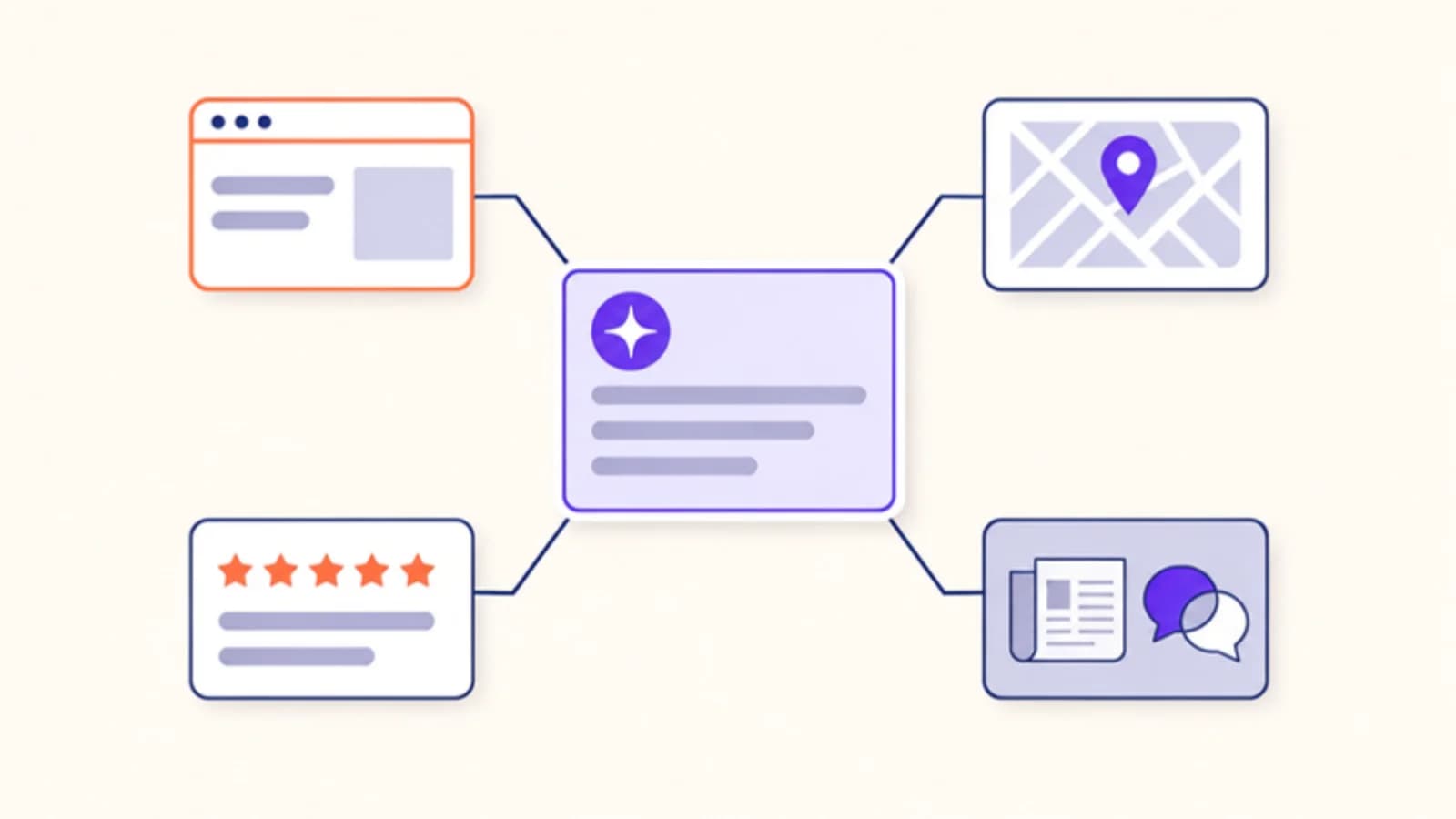
| Where | What to check there |
|---|---|
| Your own website | Specialty and condition pages, each doctor's profile with training, licence and languages spoken, opening hours, which insurers you work with, how to book. |
| Listings and directories | Google Business Profile, Healthgrades, Zocdoc, WebMD's physician directory, the NHS service finder, the state medical board's register or the GMC register: the same name, specialty and address as your site. |
| Reviews | Google reviews and the reviews on the health directories: how many, how recent, and which kind of visit they mention. |
| Press, associations and forums | Local news, hospital and medical society pages that list you, health forums and neighbourhood groups where patients ask each other who to see. |
What should a doctor or a clinic do first?
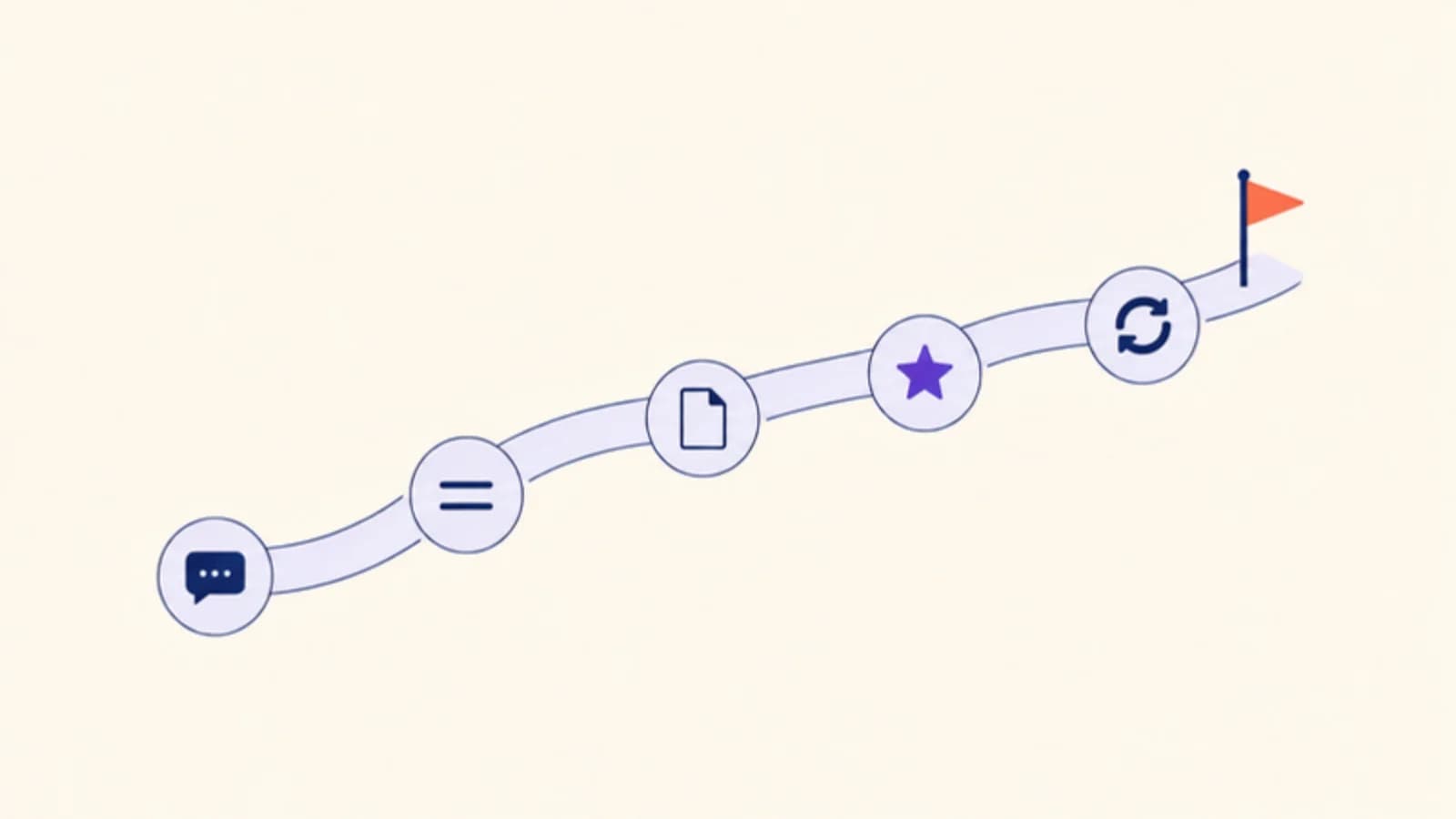
- Ask ChatGPT, Perplexity and Gemini the questions your patients ask, for example a dermatologist in your town who takes new patients, and write down which doctors and clinics are named.
- Make each doctor's name, specialty, address, phone and hours identical on your site, your Google Business Profile and the health directories, and check them against the official register.
- Give each specialty or test its own page, with the answer to the patient's question in the first two sentences and the doctor who does it named.
- Complete each doctor's profile, on your site and on one health directory, with training, licence and the conditions they see most. Ask recent patients for a review where your rules allow it.
- Check that the assistants' crawlers can read the site, online booking pages included, then ask the same questions again after a month and compare.
The free scan at the top of this page does the first step for you: it asks the assistants the questions and shows who they name.
The patient asks before anyone refers them
Before booking a visit, people now describe what they need to an AI assistant: a mole they want checked, a knee that has hurt for weeks, a doctor who takes new patients. The answer names a few doctors or clinics, by specialty and by town. A practice can be named for one specialty and left out for another, and nothing tells you which. No call, no message, no report. The scan shows you that answer for your own practice, question by question.
What patients ask, from our catalogue for doctors and clinics
- Best dermatologist in Manchester
- Primary care doctor accepting new patients in Manchester
- Can you suggest a serious multi-specialty medical center in Manchester?
- I need an orthopedic consultation, where should I go in Manchester?
- I need an MRI, where do you recommend in Manchester?
- Who is the best OB-GYN in Manchester for a second opinion?
These are examples from our catalogue of questions for this trade; where a question names a town, it is shown here with Manchester. The free scan writes 5 questions by reading your own site and puts them to ChatGPT, Perplexity and Gemini.
How it works
What the free scan gives you
It includes
- 5 questions written from your own site
- For each question: whether ChatGPT, Perplexity and Gemini name you, and who they name instead
- A score and the first 3 problems found on your site
It does not
- Change anything on your site
- Keep watching over time: it is a picture of today
It asks only for your site's address. You leave an e-mail only if you want the report sent to you.
What comes next, if you want it: a free account that keeps the analysis, and paid plans from £79/month. Cancel anytime · 14-day money-back guarantee
What you find out
Already doing SEO or advertising?
This does not replace either. It answers a different question.
- SEO
- Works on where you appear in Google's results when someone searches.
- Advertising
- Buys you visibility for as long as you pay.
- CiteProof
- Measures which names come out when someone asks an AI assistant for a recommendation, and works on what your site contributes to that.
- Doing nothing
- Costs nothing, and leaves you not knowing what the assistants say about you. The scan is how you find out.
It is for you if
- You are a doctor, a specialist or a private clinic, and patients look for you online.
- You have a website you can change, or someone who changes it for you.
- You want to see what is said about your practice before deciding what to do.
It is not for you if
- You have only a profile on a health directory and no website of your own: the scan reads a site.
- You want a guarantee of being named. Nobody can honestly give one.
- You are looking for someone to manage your directory profiles or your reviews. We do not do that.
What we cannot promise
- We do not control what the assistants answer. Their answers change, sometimes from one day to the next.
- Nobody can guarantee that you will be named. We measure, fix what depends on your site, and check whether it made a difference.
- Part of what the assistants use is outside your site: reviews, articles, how well known you are. We do not change those for you.
Questions and answers
Do patients really ask AI assistants for a doctor?+
We have no figure for your town and we will not invent one. What the scan shows is what the assistants answer today when they are asked. Whether that matters for your practice is your call once you have seen it.
I already have profiles on the health directories. Is this the same thing?+
No. A directory shows your profile to someone who searches there. This measures which doctors and clinics an AI assistant names when a patient asks for a recommendation. The full analysis, on paid plans, also shows which sites the assistants drew on, directories included.
Does it touch patient data?+
No. It reads the public pages of your site and the answers of the assistants. It does not connect to your booking system, your patient portal or to patient records.
Will it change what my site says about treatments?+
The free scan changes nothing. With a paid plan, changes are proposed to you and nothing is published without your decision: you apply each fix yourself, or automatically only if you turn that on.
Can you guarantee that the assistants will name me?+
No, and be careful with anyone who does. We measure what they answer today, fix what depends on your site and measure again. Sometimes the answers change, sometimes they do not.
What does the free scan need from me?+
Your site's address, nothing else. No sign-up and no card. It takes about a minute. If you want the report by e-mail you leave your address, and you can unsubscribe at any time. Questions: hello@citeproof.co.
See what the assistants say about your practice
Enter your site's address. About a minute, no sign-up.